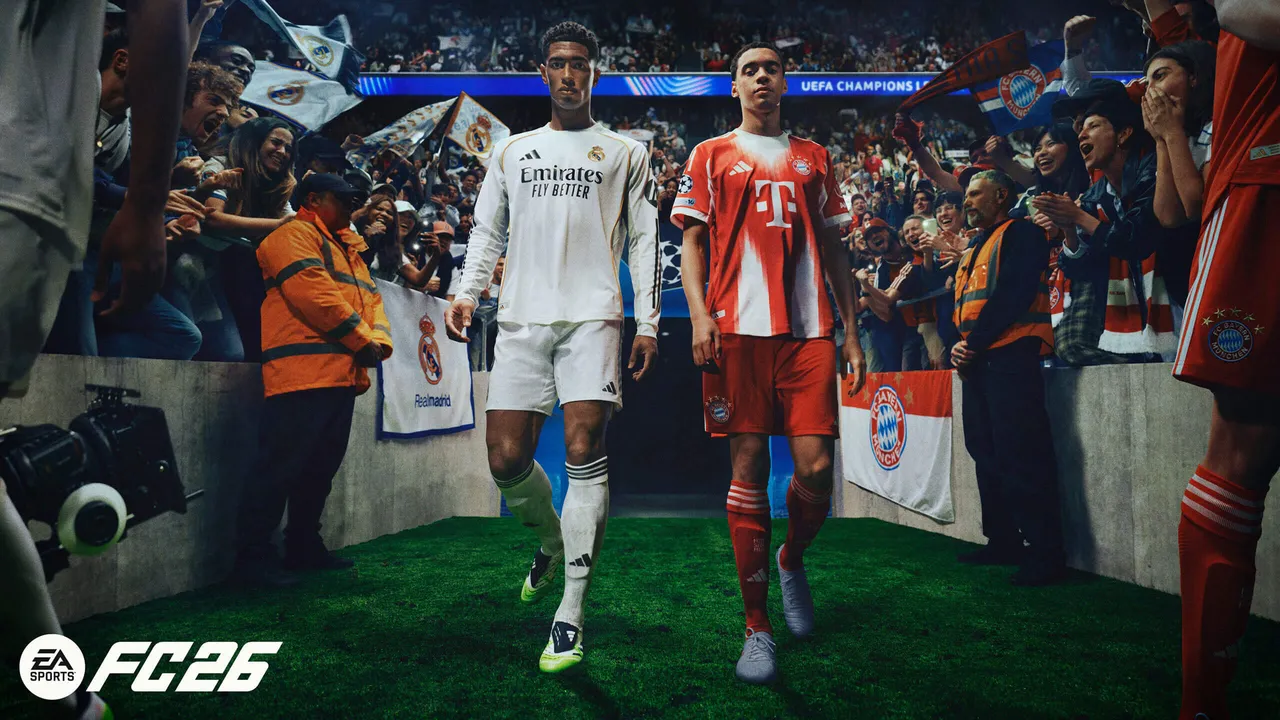
EA has completed its takeover by a consortium of private investors, ending the publisher's 36-year run as a publicly traded company. The deal closed at the end of trading on August 4, 2026, with Saudi Arabia's Public Investment Fund taking a majority stake in one of gaming's biggest publishers alongside investment firms Silver Lake and Affinity Partners, the latter owned by Jared Kushner, son-in-law of US President Donald Trump.
The details:
- The total deal value is $55 billion, financed through a combination of cash from PIF, Silver Lake, and Affinity Partners, a rollover of PIF's existing stake in EA constituting roughly $36 billion in equity, and $20 billion in debt financing provided by JPMorgan Chase Bank. EA shareholders received $210 per share in cash at closing.
- Saudi Arabia's PIF is the majority owner of the newly private EA, with reports indicating the fund holds approximately 93.4% of the company. PIF is chaired by Crown Prince Mohammed bin Salman, who has been accused by Amnesty International of facilitating widespread oppression and has faced longstanding questions about his alleged involvement in the 2018 murder of Washington Post journalist Jamal Khashoggi.
- Jared Kushner's Affinity Partners is one of the minority investors. Kushner founded the firm after leaving the White House in 2021, and it received significant early backing from PIF.
- The deal cleared regulators in both the European Union and the United States without conditions, despite objections from Congress members and the Communications Workers of America union, both of which called on the FTC to scrutinise the buyout over geopolitical and employment concerns.
- EA CEO Andrew Wilson will remain in his role, and the company will stay headquartered in Redwood City, California. EA previously stated the deal would not result in "immediate" layoffs and that the company would retain creative control. Wilson described EA as entering "this next chapter from a position of strength."
- Saudi Arabia has been building its gaming portfolio for years through PIF and related vehicles, with existing stakes in Nintendo, Capcom, Nexon, and Scopely, among others. Critics have described these investments as sportswashing and culturewashing, using entertainment properties to improve the Saudi government's international image.